
Eno Impact Report 2019
Leading Innovation in a Rapidly Changing Industry
We like to refer to our organization as the world’s oldest start-up. Although we are approaching our centenary in 2021, the Eno Center for Transportation doesn’t act like a 100-year old think tank. In order to pursue our mission to shape public debate on critical multimodal transportation issues and build an innovative network of transportation professionals, we need to constantly reinvent ourselves since the environment is changing rapidly.
We know that transportation professionals are looking to each other for creative problem solving. Today, there is an insatiable demand for people to learn from one another, especially in transportation. That’s why we are piloting a new Intra-Regional Multi-Agency Exchange (MetroMAX) program to bring together employees with similar roles at different agencies within the same region to engage with and build relationships through curated meetings, tours, and information sharing.
Reinventing ourselves also means using new tools to allow transportation professionals, experts, and leaders to interact in new ways. Eno will launch our new Learning Management System (LMS) in the next year to significantly build our outreach and webinars with an online platform. It will allow us to vastly expand our audience by enabling participants to access our classes, forums, and training on-demand and virtually. LMS is the future of learning and Eno is embracing it, not as a replacement, but as a complement to our work.
After all, we still need our standing advisory groups to cut across disciplines and inform our ongoing cutting-edge policy work. For example, our aviation working group is tackling the critically important topic of how to integrate highly advanced unmanned aircraft systems (drones) within the national airspace system. The focus is not just on the tech, but on how to change from a reactive regulatory framework to a permanent, overarching one that allows innovation to both flourish and safeguard the public interest.
While our work remains focused domestically, we are also increasingly looking outside the United States for best practices, ideas, and experiences. In an increasingly global environment, we are finding lots of receptivity to international lessons. That’s why we recently brought a delegation of U.S. officials overseas to hear about other cities’ experiences with congestion pricing policies and directly inform the new wave of policy and practice innovation here at home. We also intend to dig deep into several international cases to understand how American cities, states, and metropolitan areas can deliver public transit projects better, faster, and cheaper.
The workplace environment for startups is also characterized as valuing open communication and collective problem-solving. The Eno team embodies this culture and works together to learn from each other, help the organization remain strong, and look around the corner for the next innovation in transportation policy and practice.
We look forward to building on our successes with you over the next year. You can download a PDF summary of the report here.



James Burnley
Board Chairman

Robert Puentes
President & CEO
Click below to explore Eno’s 2019 impact















Research
+ Analysis
Eno’s expert and timely research and
analysis shapes public debate on critical
multimodal transportation issues
Can we do better?
Explore Alternative Scenarios for Federal Highway Funding Distribution
The federal government distributed $45.6 billion in highway “formula” funding in 2019 to the 50 states and the District of Columbia. Eno’s research team created an independent analysis of the past, present, and possible future of the distribution of Federal-aid highway funding to states. The paper and its findings are timely, as Congress is working to reauthorize the current federal transportation bills in the coming year. Eight scenarios evaluate different possibilities and strategies for redesigning federal highway programs and their funding streams. The analysis reveals two significant challenges with creating new formula factors: data, and of course, the fact that some states stand to lose significant funding.
Documenting Lessons Learned
and Best Practices for
Innovative New Partnerships
Mobility
On-Demand

Beyond the Automated Vehicle Hype:
Practical and Actionable
Recommendations
Eno published Contracting for Mobility, which provides recommendations to transit agencies for contacting with private mobility on-demand providers. This paper is the first in a series of policy papers, each of which covers a key policy topic in partnerships between public agencies and private mobility providers using the MOD Sandbox pilot projects in Los Angeles and Puget Sound as robust case studies. Contracting for Mobility covers the process that developed the contracts for the MOD Sandbox pilot projects in the Los Angeles and Puget Sound regions. It discusses the nuances of interactions between private companies and public agencies, including non-disclosure agreements, data sharing, and the challenges and opportunities faced between the transit agencies and the MOD provider as well as between the other entities involved in the service provision and evaluation of the project. into who you are, what you do, and why it’s all about you.
Eno’s Beyond Speculation 2.0 is an update to our 2017 report on automated vehicle (AV) policy discussing the current and future state of AVs, as well as the existing, proposed, and expected implications for federal, state, and local policy around AVs. It provides an overview of the current policy arena and posits concrete and substantive recommendations for policymakers at various levels of government to responsibly test and deploy AVs on public roads.
Transportation at the Ballot Box:
Measure M
Eno developed an independent evaluation of alternative management structures and operational models for Circulator and Streetcar transit services in the District of Columbia. Analyzing the implications of transit governance and service delivery models involved accessing Eno’s hub of transportation leaders to engage in in-depth conversations with stakeholders, experts, and those with knowledge of the regional system. This report, delivered to DC policymakers, shows that a continuation of the current model with proper oversight will best serve the District moving forward. Beyond that, we make four other recommendations that are necessary for the model to work: legislating labor protections, following international best practices for contracting, investing in an adequate bus maintenance facility, and determining the future of the District’s transit networks.
Eno analyzed data provided by Transdev, an international private-sector transport operator, and Ipsos, a market research consultant, from a survey with the purpose to gauge the challenges transit agencies face as well as their expectations of private sector transport operators. Analysis looked at demographic and cultural changes in the context of transportation networks and disruptive technology. The report tied data to insights on how people travel, how information is shared, how public agencies manage and invest in transit, and how private firms engage with the public and public agencies. Public and private mobility providers found the report insightful and useful when thinking about the future of mobility.
More than 13 million jobs—about 9 percent of civilian workforce in the United States—are transportation-related. This workforce pipeline includes a multitude of professions from bus and truck drivers, to autoworkers and engineers, in both motorized and non-motorized modes. Eno’s Workforce Initiative focuses on critical sectors and innovative solutions across the country.
Eno’s Workforce Initiative
As part of our ongoing research on transportation workforce development, we published a synthesis report on workforce challenges specific to the aviation industry in two major economies. We evaluated six sectors: professional pilots, air traffic controllers, aircraft maintenance and repair workers, airport workers, flight attendants, and aerospace manufacturers. Comparisons of the challenges in each of these sectors were made between the US and the UK, two major aviation economies. Research for this report was conducted in the midst of the 2019 US partial government shutdown, which particularly affected the air traffic controller and airport security professions.
Aviation Workforce
Federal and state transportation workforce shortages are widely considered a problem, presenting “a present and growing need” for workers. However, although jobs in transportation are available for people with various levels of education, traditional training pipelines frequently are not designed to steer graduates toward the transportation sector. Furthermore, the types of jobs and skills needed are evolving. As part of Eno’s ongoing initiative to address transportation workforce challenges, we completed a report for the Transportation Research Board to synthesize the current state of practice associated with the implementation of transportation workforce strategies at state departments of transportation (DOTs) and associated Local Technical Assistance Programs (LTAPs).
Transportation Workforce Planning and
Development Strategies
Informed. Insightful. Independent.
Eno Transportation Weekly
2019’s Most Read Articles


Why the California Bullet Train Project Failed: 7 “Worst Practices”
Jeff Davis | February 13, 2019
The failure of the California high-speed rail project doesn’t necessarily mean the doom of HSR in the U.S. The California project followed seven “worst practices” that other projects could avoid, according to this provocative piece from Jeff Davis.
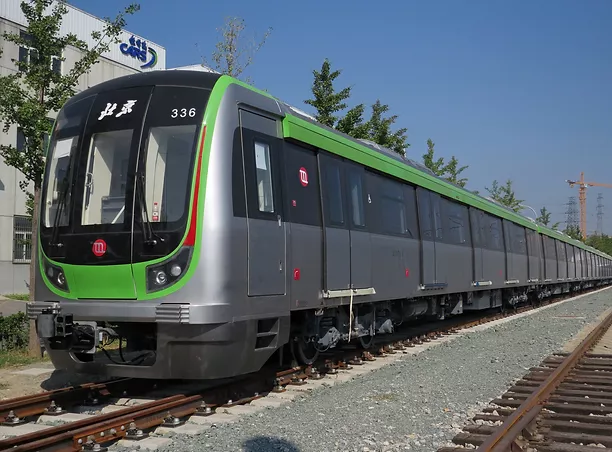
Defense Bill Bans New Purchases of Mass Transit Vehicles from Chinese Companies
Jeff Davis | December 9, 2019
The National Defense Authorization Act would ban mass transit agencies from using federal funds to purchase rail cars or buses from Chinese-owned or Chinese-domiciled companies, and would penalize transit agencies using their own funds for such procurements.
Is the Federal-Aid Highway Program Compatible With the “Green New Deal?”
Jeff Davis | January 25, 2019
Both the spending and revenue sides of the federal-aid highway program are very carbon-centric. Is the present highway program compatible with a “Green New Deal”? Eno’s Jeff Davis provides an in-depth analysis on the lessons learned from California’s experiment.
2019’s Most Read Guest Op-Eds


Guest Op-Ed: Disruption in Mass Transit Calls for Disruption in Public Policy
Tina Quigley | February 22, 2019
Ride-sharing services offer an opportunity to enhance transit and create a new ecosystem of interconnected multimodal options where ride-hailing and transit work together to provide cost-efficient and environmentally friendlier commutes.
Convene
+ Educate
Eno’s programs bring transportation
leaders together to develop and
exchange innovative and effective solutions

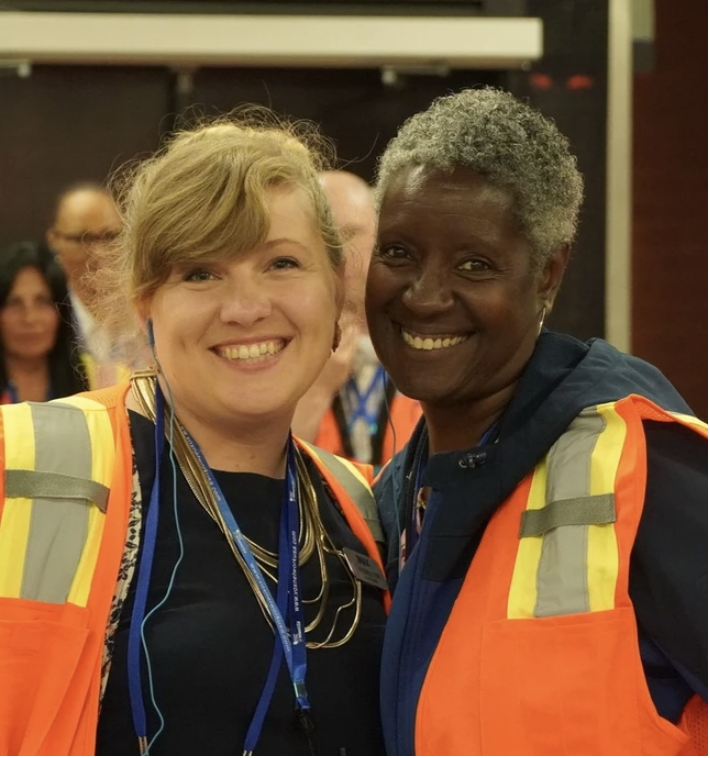
Public transportation in the United States is going through a period of profound change and transition. From workforce constraints to technological advances, transit agencies face a unique set of challenges and opportunities. Through peer learning and leadership development, Eno/MAX is the first program of its kind designed to prepare today’s transit workforce to tackle these issues head-on and ignite innovation to improve agencies from bottom to top.
The Eno/MAX Programs impact is unmatched in:
-
Developing and retaining future leaders
-
Improving staff’s big picture transportation and transit perspective
-
Sharing best practices and foster innovation
-
Solving high priority agency-defined business problems
Eno/MAX is Igniting Innovation from the Bottom Up
The Eno/MAX Program is based on four program components, or pillars, which combine to make a state of the art training program that is described by participants as the “most transformational training of their lives.”
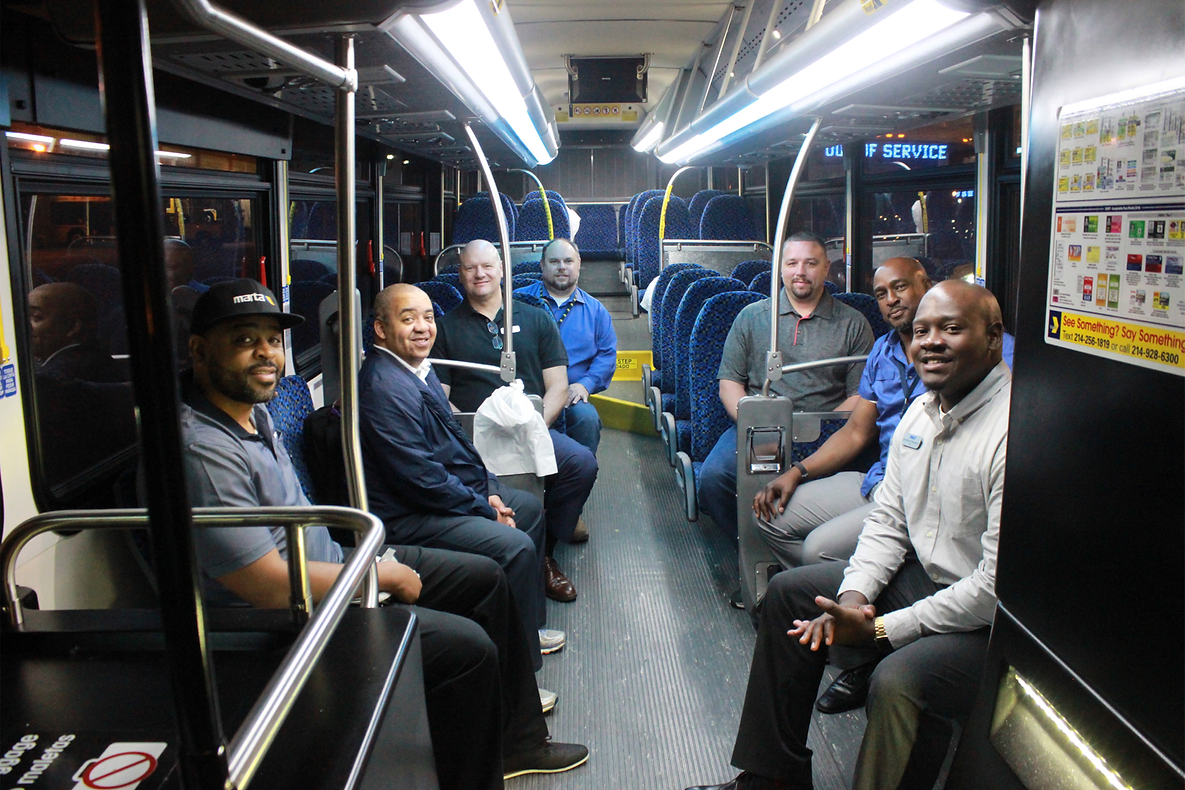
Transit Industry Knowledge

Best Practice Exchange
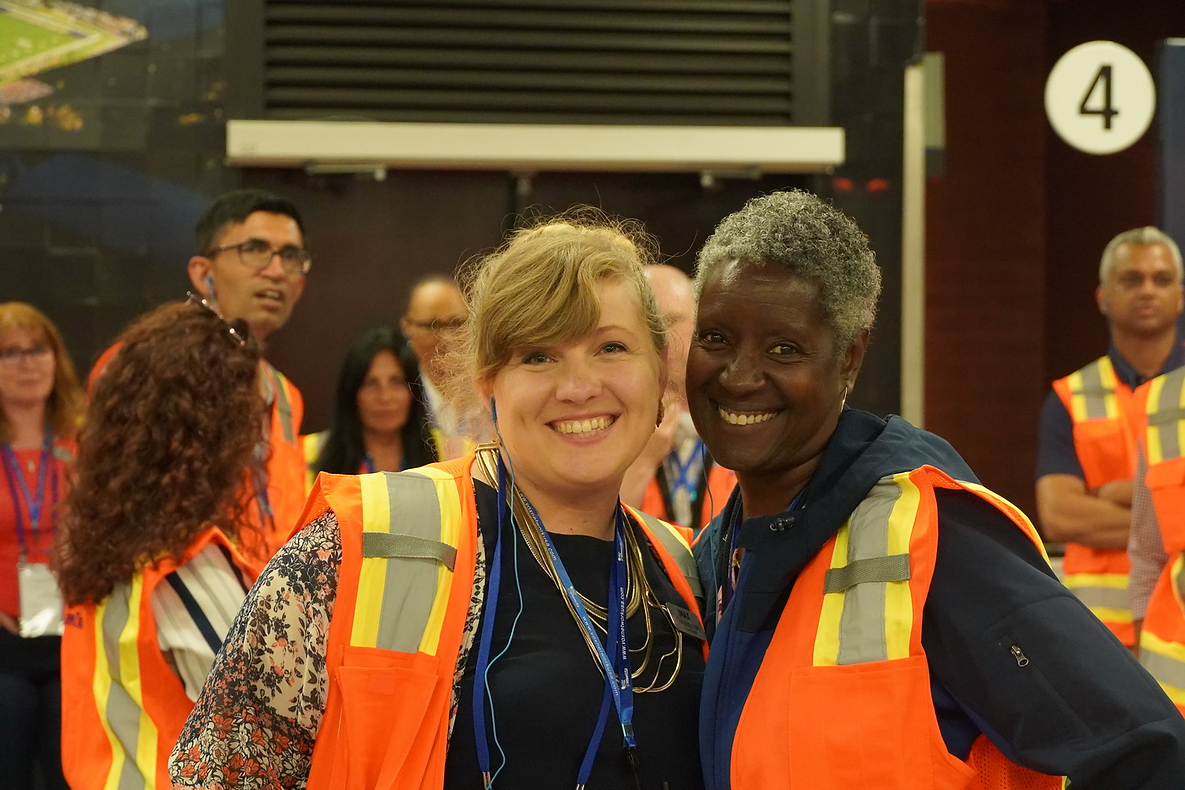
Creating Peer Networks
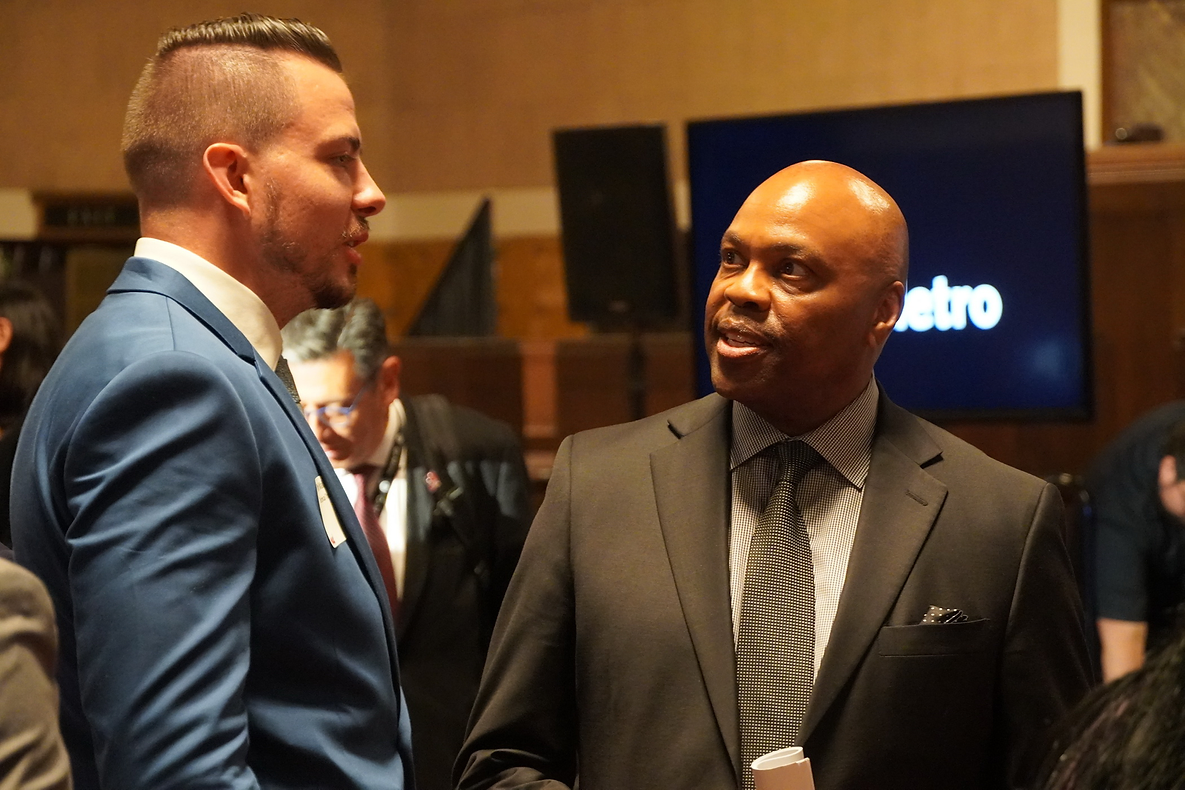
Building Business Skills
Preparing the Next Generation
Future Leaders
Development Conference
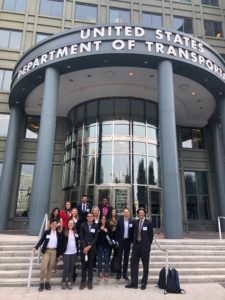
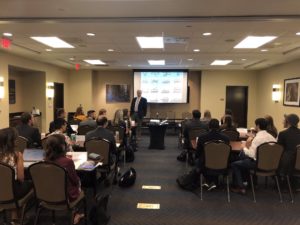
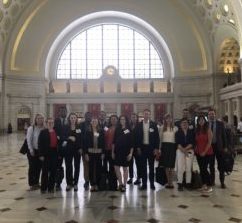
The Future Leaders Development Conference (LDC) program celebrated its 27th year in 2019. The LDC provides 20 of the nation’s top graduate students in transportation-related programs a once-in-a-lifetime opportunity for a first-hand look at how national transportation policies are developed. During the weeklong program, the Fellows meet with federal, state, and local officials, as well as public, private, and non-profit leaders across the transportation industry.
Alumni from the program continue to impact the transportation industry across all modes and sectors. Learn more about the lasting impacts in the alumni’s own words in this video.
Highlights from the 2019 Program:


Across the country, leaders turn to Eno for
Education on critical and emerging issues
In 2019, Eno hosted 24 webinars that educated 4,763 people.
Reforming
America’s
Transportation
System
Archiving
transportation’s
history
Reforming America’s Transportation System
In February 2019, Eno convened a three-day workshop to develop policy insights and develop new ideas at the Pocantico Conference Center of the Rockefeller Brothers Fund (RBF). The workshop brought together 24 scholars and executives, expert in transportation policy, finance, operations, technology, and environment. The workshop explored challenges to transportation governance and considered whether they can be addressed through institutional reform. The discussions were exploratory and wide-ranging, and this report identifies significant issues, areas of common concern, and broad themes that emerged. The intent is that the discussions and exchanges of ideas and experiences will lead to recommendations for specific governance and institutional reforms recognizing the critical influence of transportation policies, investments, and operations on American society.
“Those who cannot remember the past are condemned to repeat it.”
– George Santayana
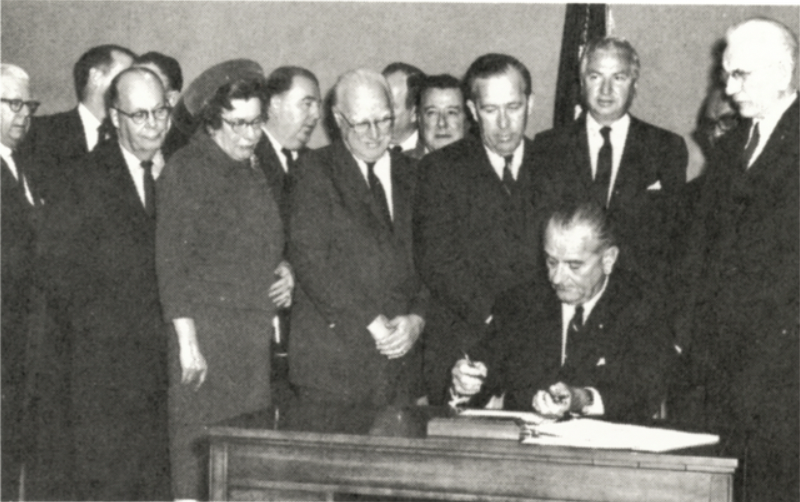
Eno is home to the largest archive of original historical transportation documents, from the founding of the DOT to the history of mass transit funding at the federal level to the archives of the Surface Transportation Policy Partnership.
Leadership
+ Legacy
For nearly 100 years, Eno has been a forum
for transportation leaders at the forefront
of an evolving industry.
Building Leaders in Transit

Transit Mid-Manager Program: Salt Lake City
I have walked away with action items from the training. I am very motivated. As a result of the training, I think I am more open to talk about leadership style and how I handle my work and relationship with my peers.
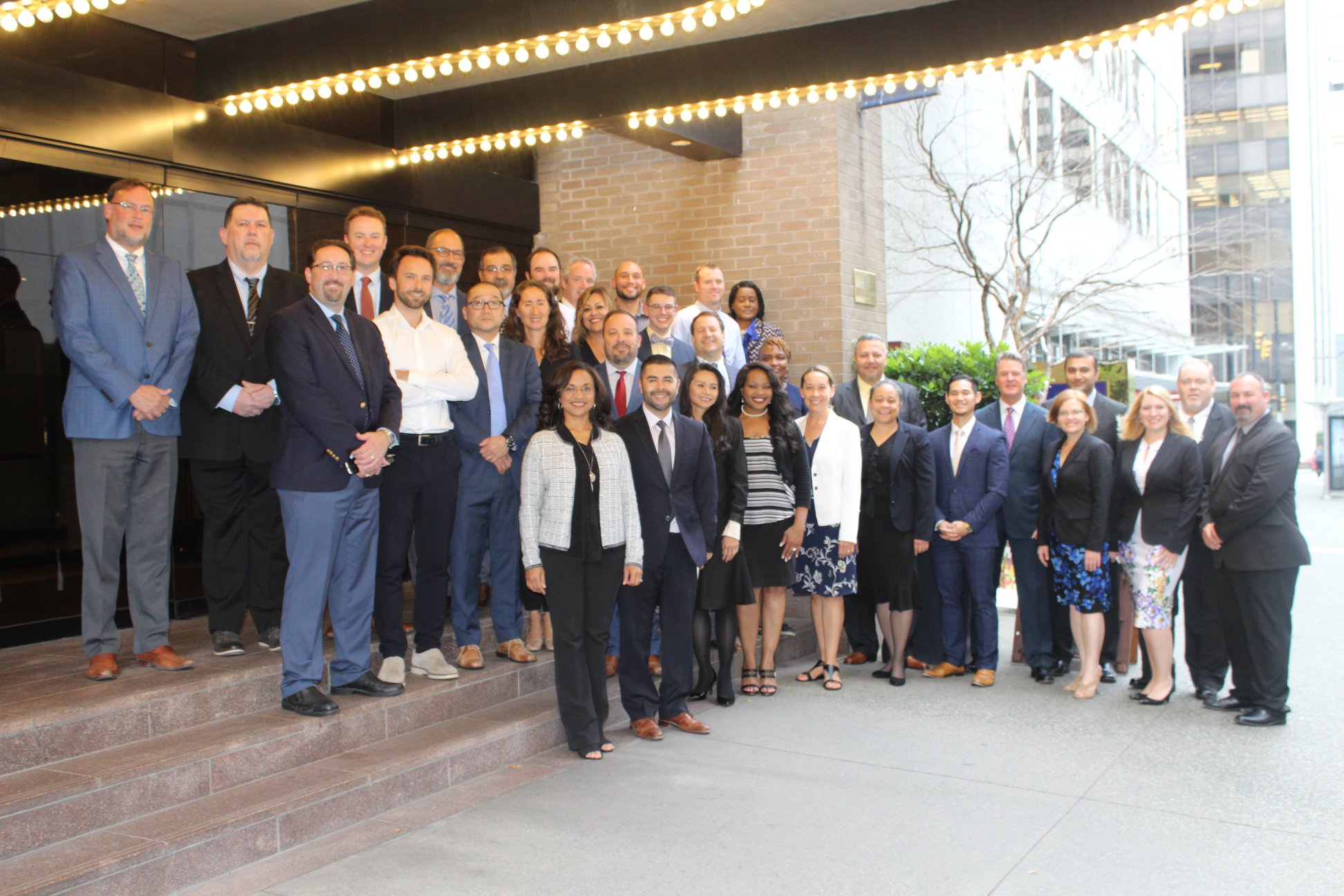
Transit Mid-Manager Program: Vancouver
I found that the course made a number of improvements mentally ‘click’ for me, whereas before they had been more theoretical. I came back feeling empowered with specific, actionable ideas.
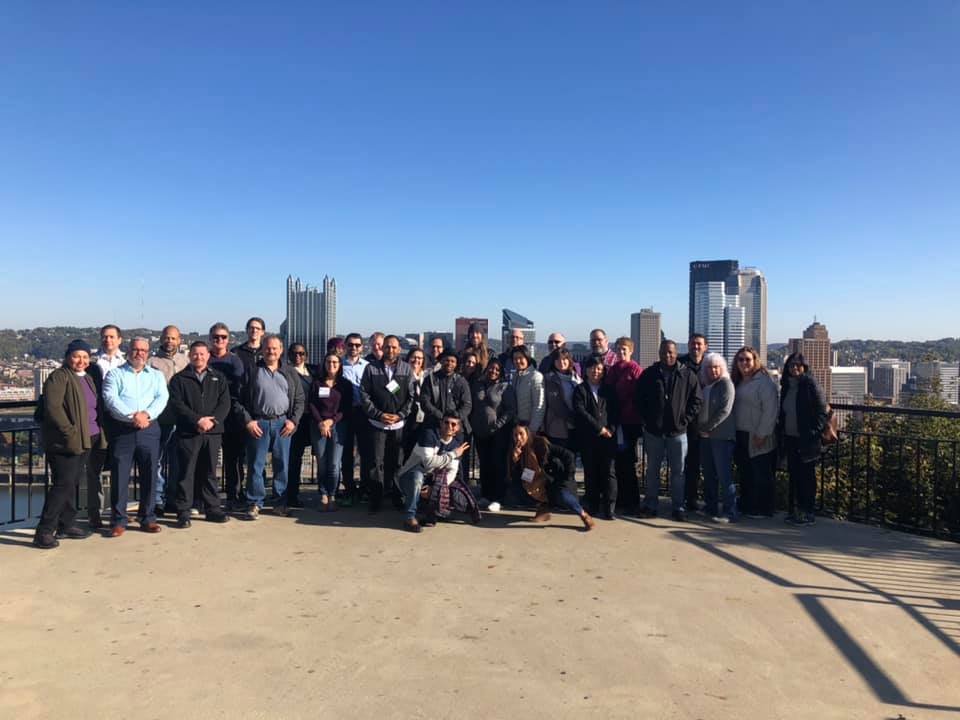
Transit Mid-Manager Program: Pittsburgh
The impact is immediately felt. I find myself reflecting on what I learned last week. I actually think about what I am doing and the effect it will have later.
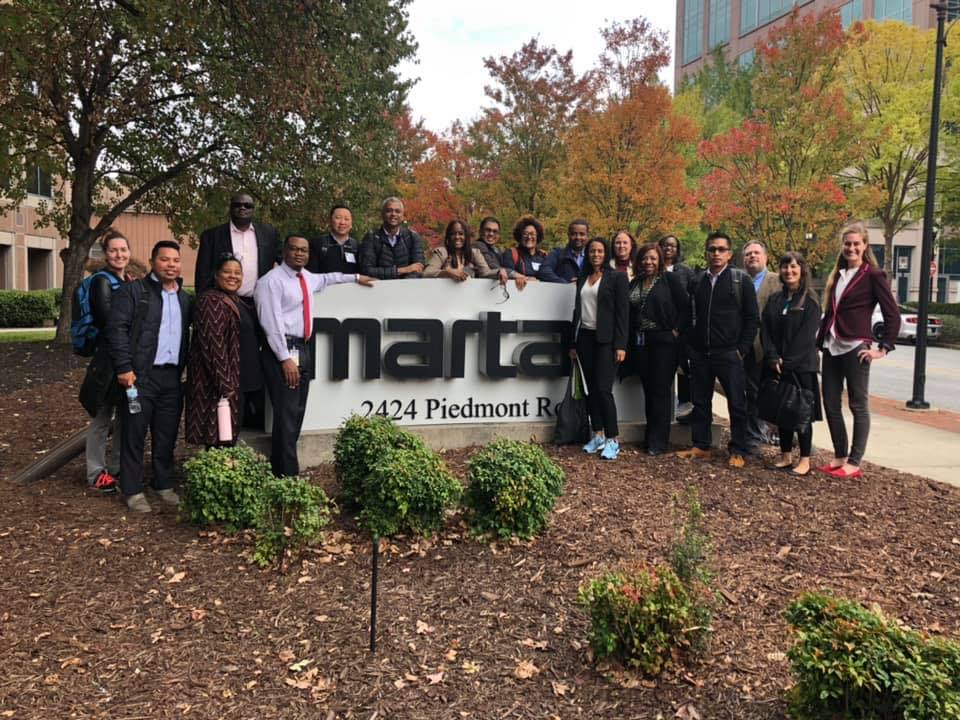
Transit Mid-Manager Program Level 2: Atlanta
The course’s impact was a reminder of some of the principals learned in Level I but also additional tools for engaging staff.
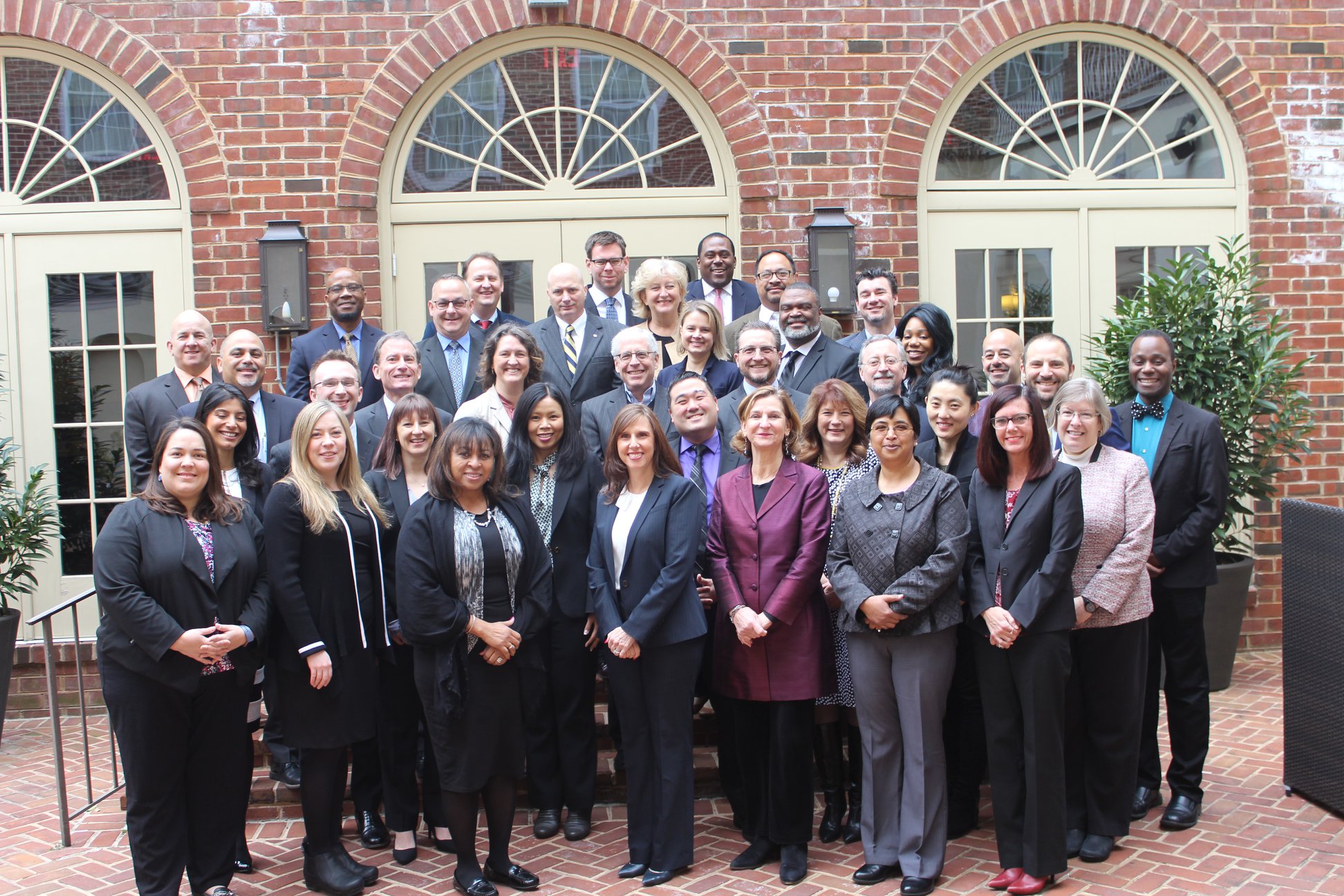
Transit Senior Executive Program
Eno is the gold-standard for training programs in my mind. I have attended many training programs but none have been as impactful as the Eno programs.
Honoring Leaders & Innovators

2019 Award Winners
L to R: Robert Puentes, Patricia Hendren, Nathaniel Ford, James Burnley

Distinguished Alumni Award
Dr. Patricia Hendren, Executive Director of the I-95 Corridor Coalition, accepts the Eno Distinguished Alumni Award

Dr. Patricia Hendren
Dr. Hendren has demonstrated notable accomplishments and has relentlessly pursued these achievements on behalf of the public interest.
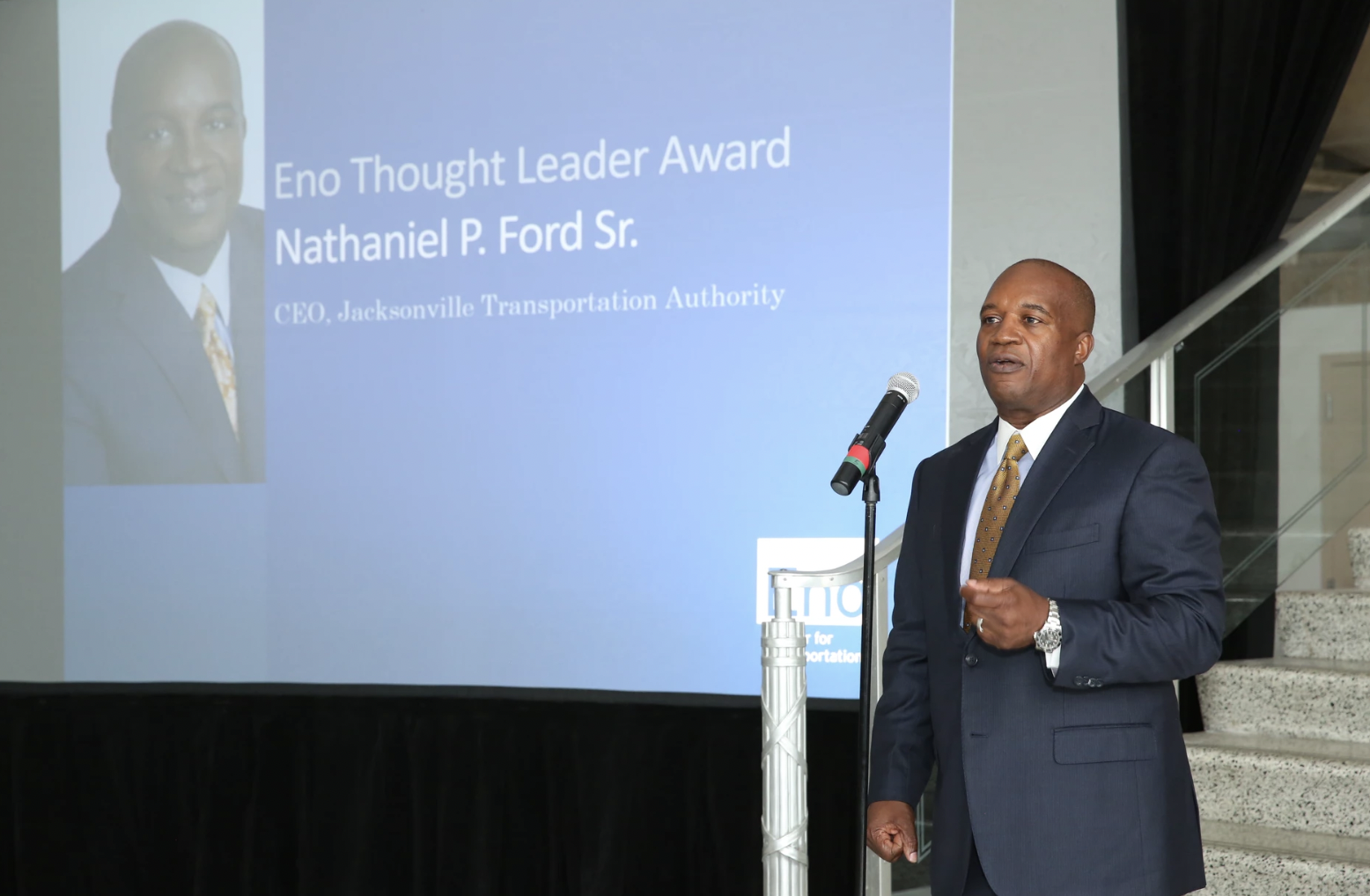
Thought Leader Award
Nathaniel Ford, CEO of Jacksonville Transportation Authority, accepts the Thought Leader Award

Nathaniel Ford
Nathaniel Ford has demonstrated leadership of innovative, timely, and impactful work throughout his career.
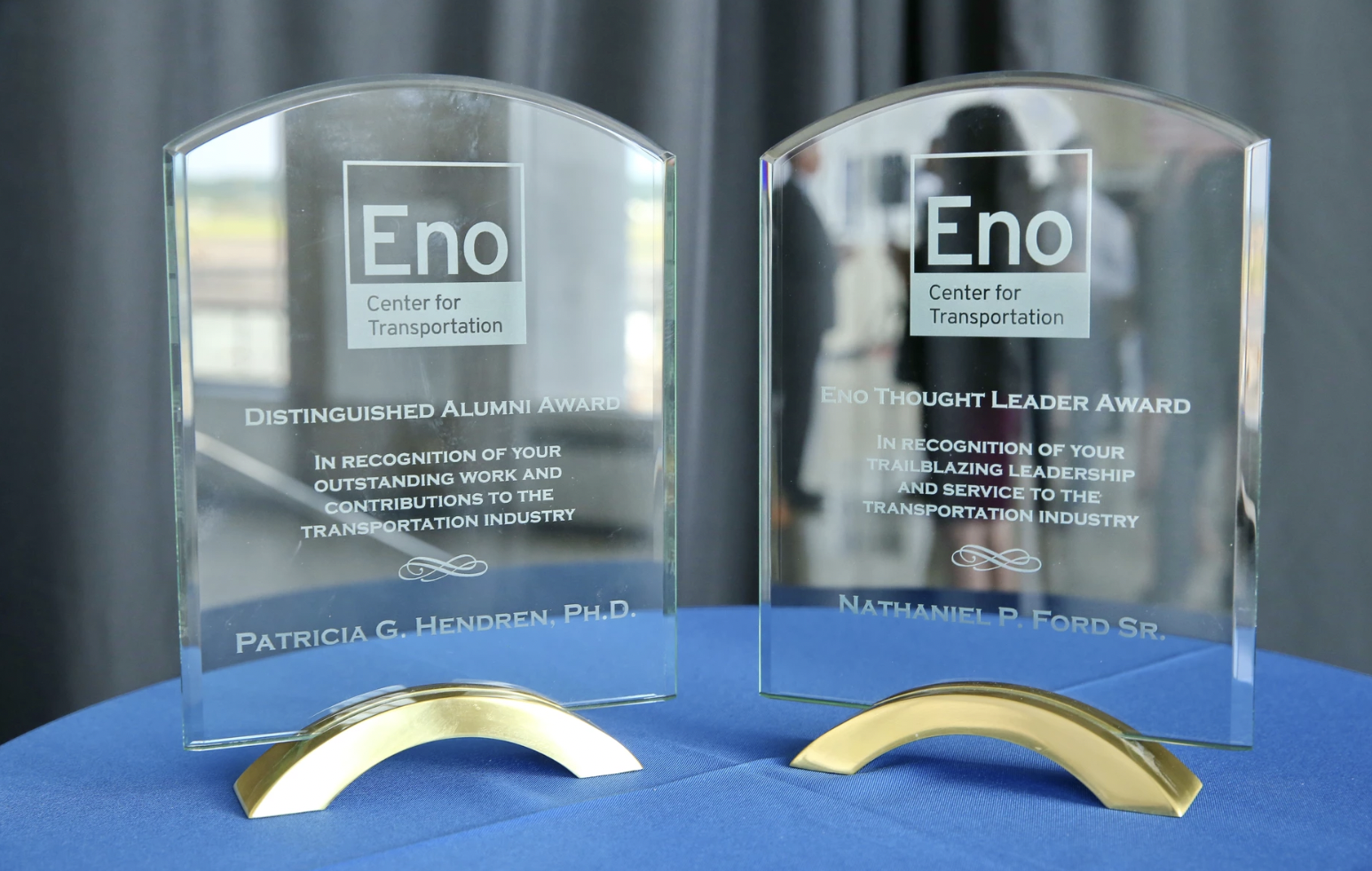
Eno 2019 Leadership Awards
Eno recognizes leaders in the industry who move the conversation forward.

Leadership Award Reception
This reception is one of Washington’s premier transportation events with nearly 300 public and private leaders from around the country in attendance.
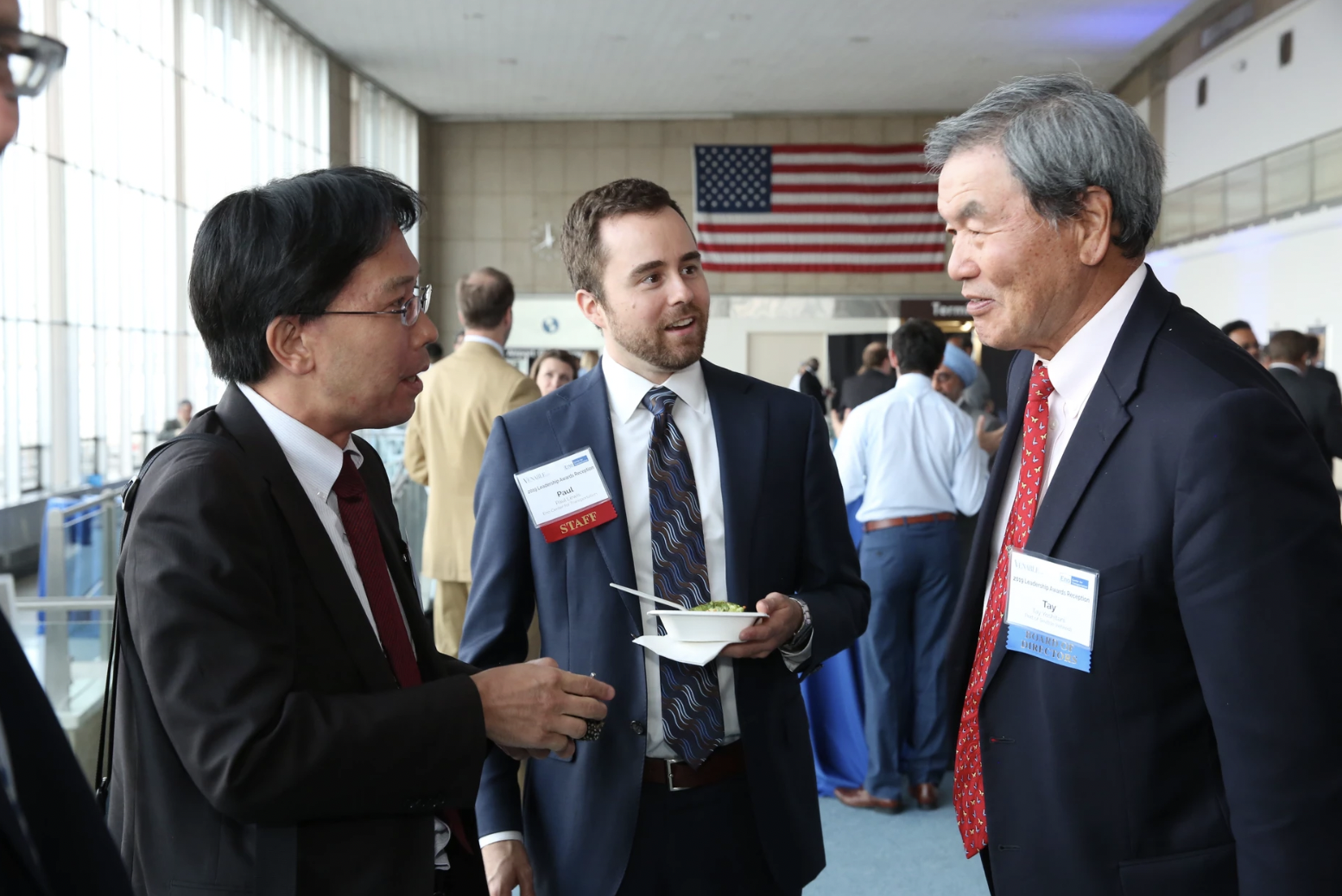
Talking Transportation
Attendees, including Eno's Paul Lewis and Tay Yoshitani, make valuable connections with each other and share knowledge.
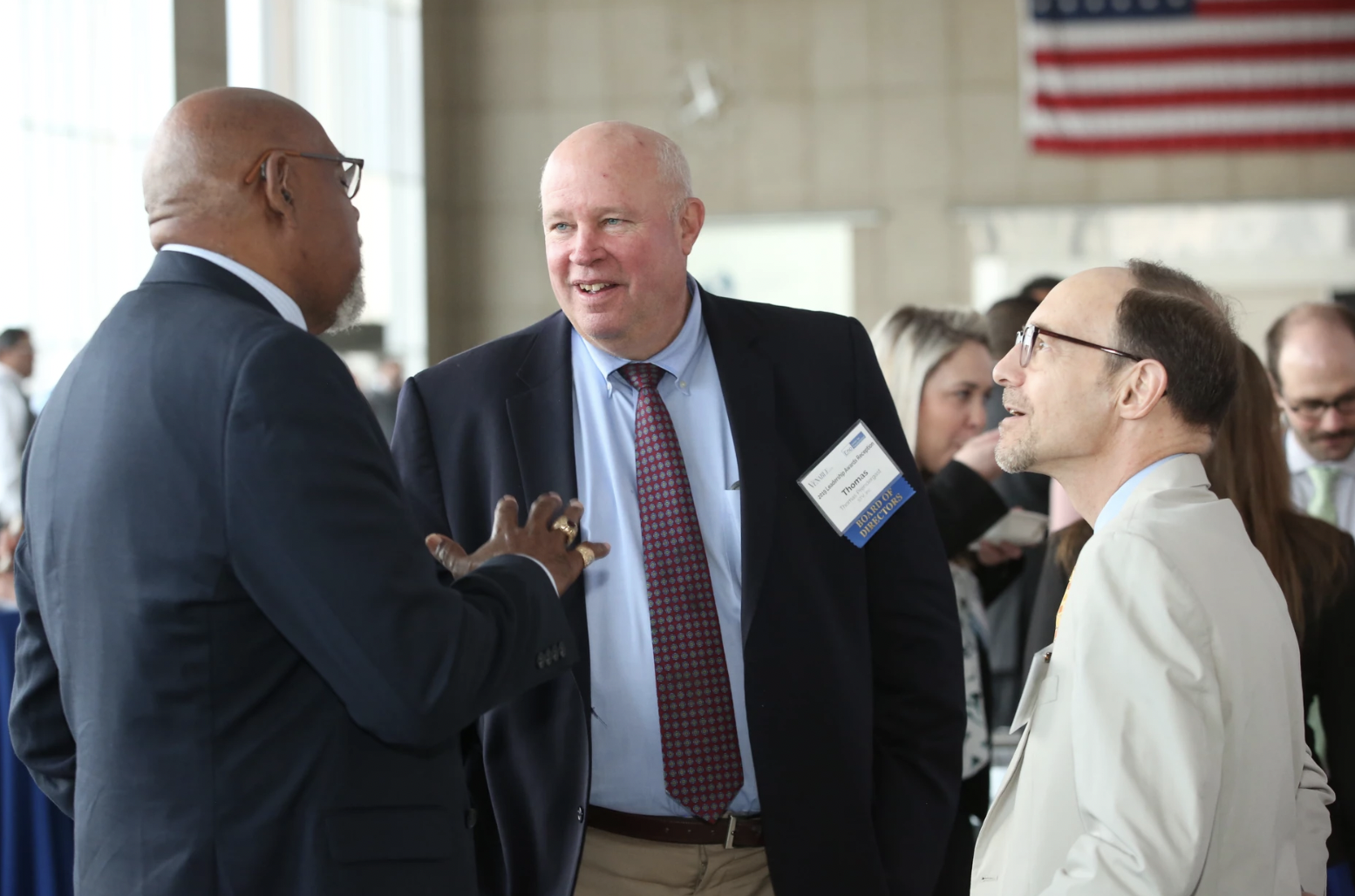
Talking Transportation
Attendees chat with Eno Board Member Tom Prendergast.

Celebrating Leaders
Attendees celebrate the winners of the Leadership Awards

Supporting Eno
In addition to honoring leaders in the field, the Leadership Awards Reception is Eno's largest fundraiser of the year.
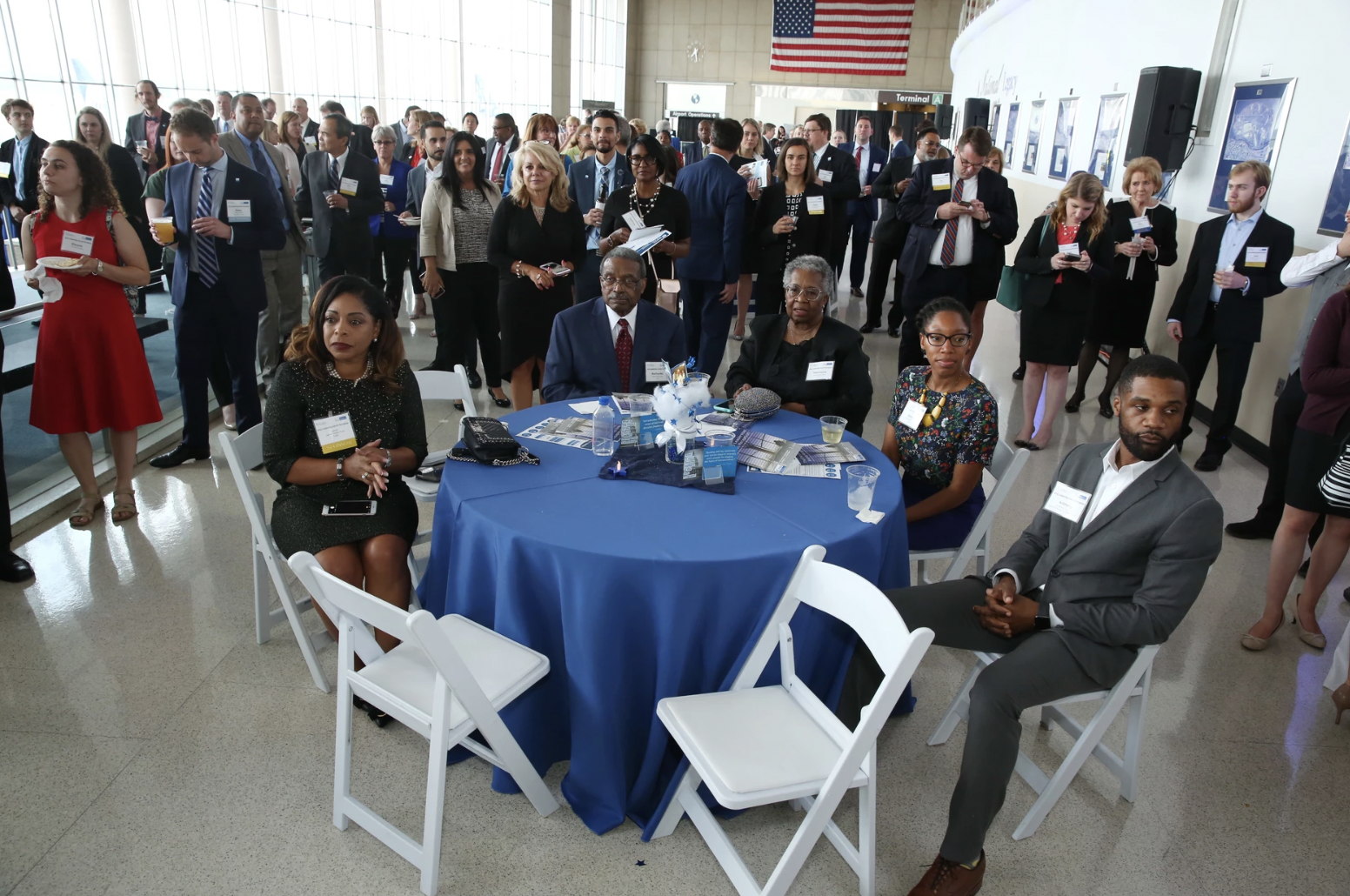
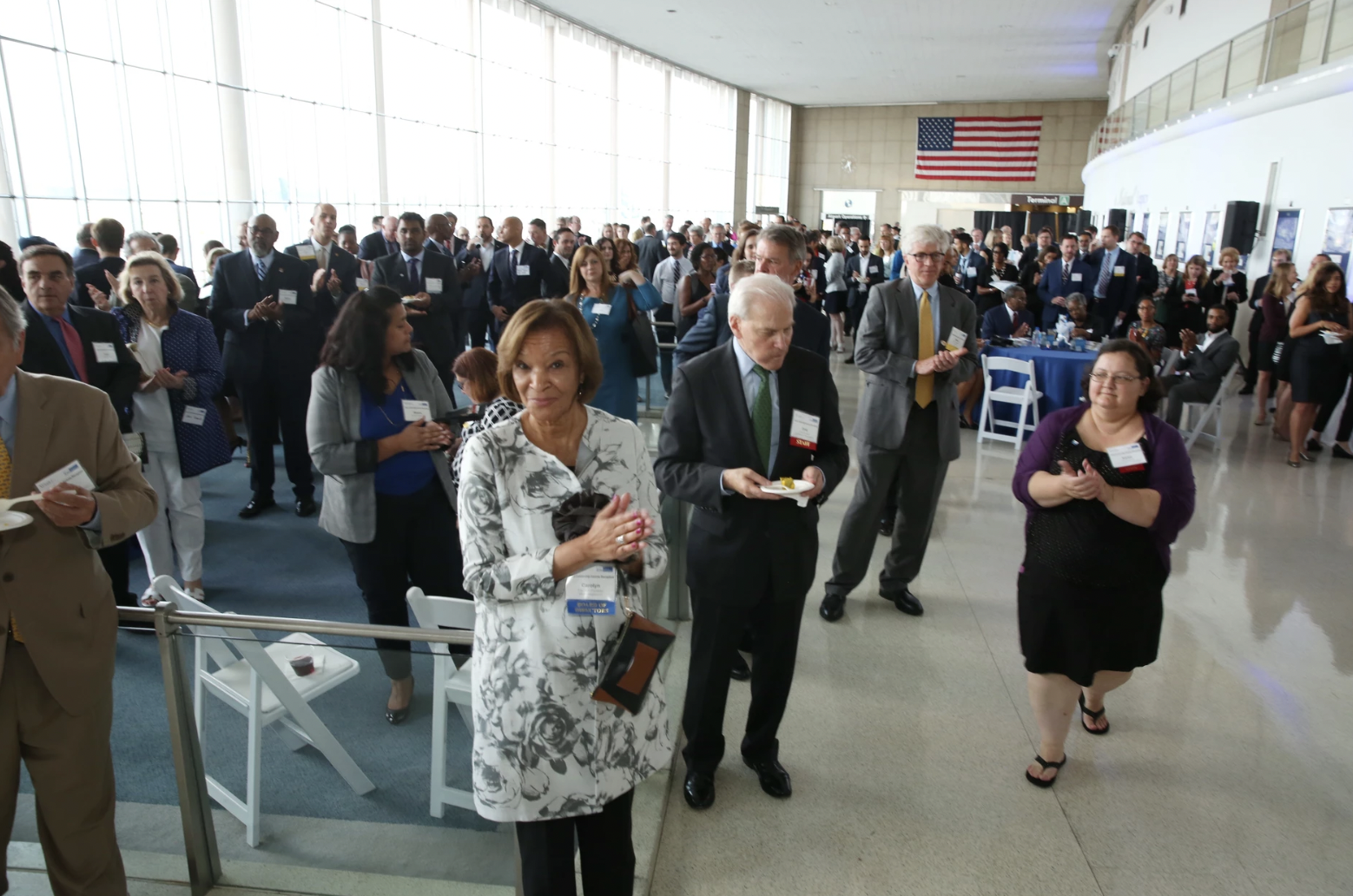
Awardees Speak to Crowd
Reception guests enjoy the remarks of the awardees.
Awardees address the crowd
Reception guests enjoy the remarks of the awardees.
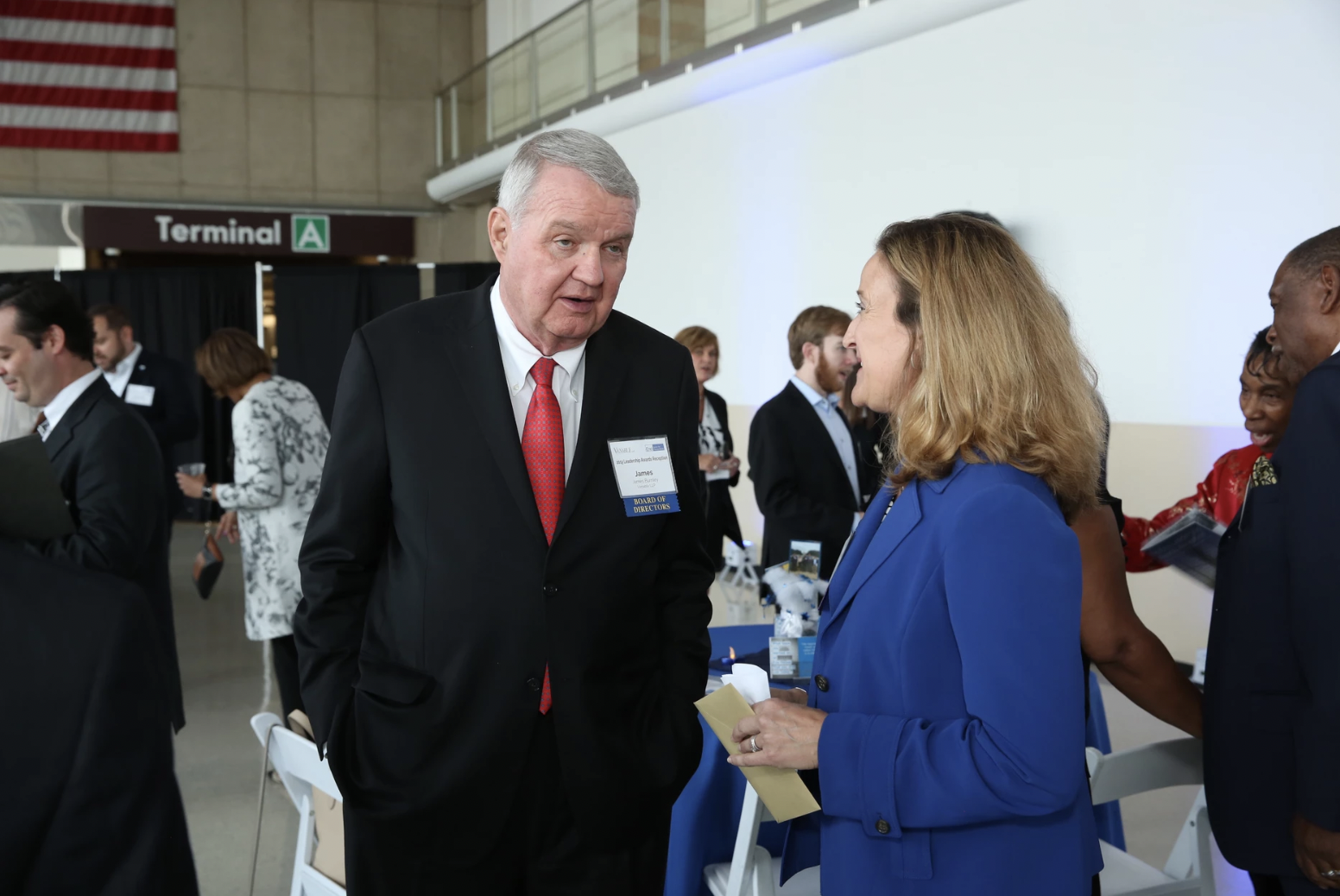
Talking Transportation
James Burnley and Distingushed Alumni Patricia Hendren speak at the reception.
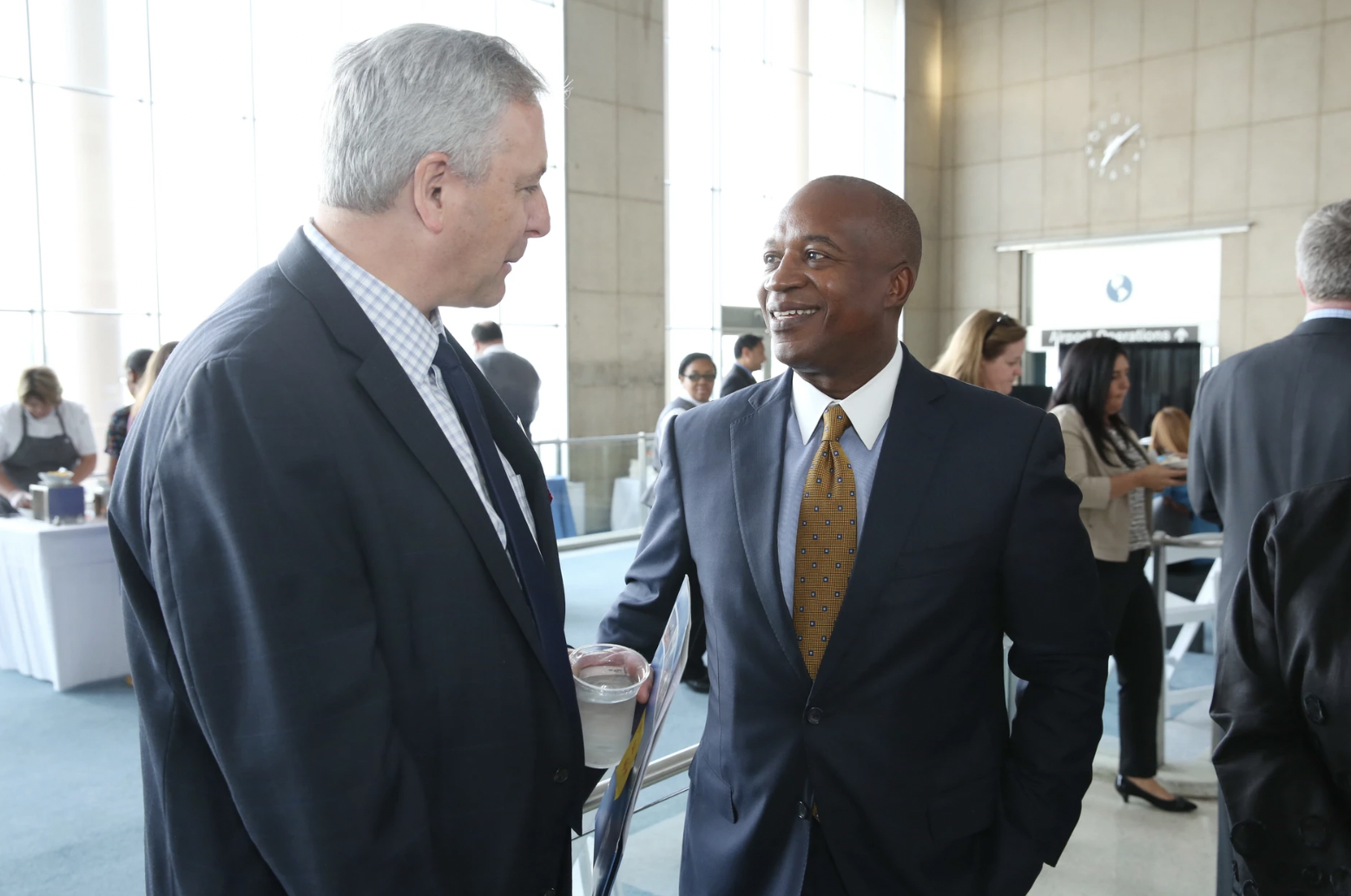
Talking Transportation
Eno CEO Robert Puentes chats with Thought Leader Nat Ford before the awards ceremony.

Legacy in Leadership
Current Board Members James Burnley and Mary Peters chat with former Board Chair Lillian Borrone
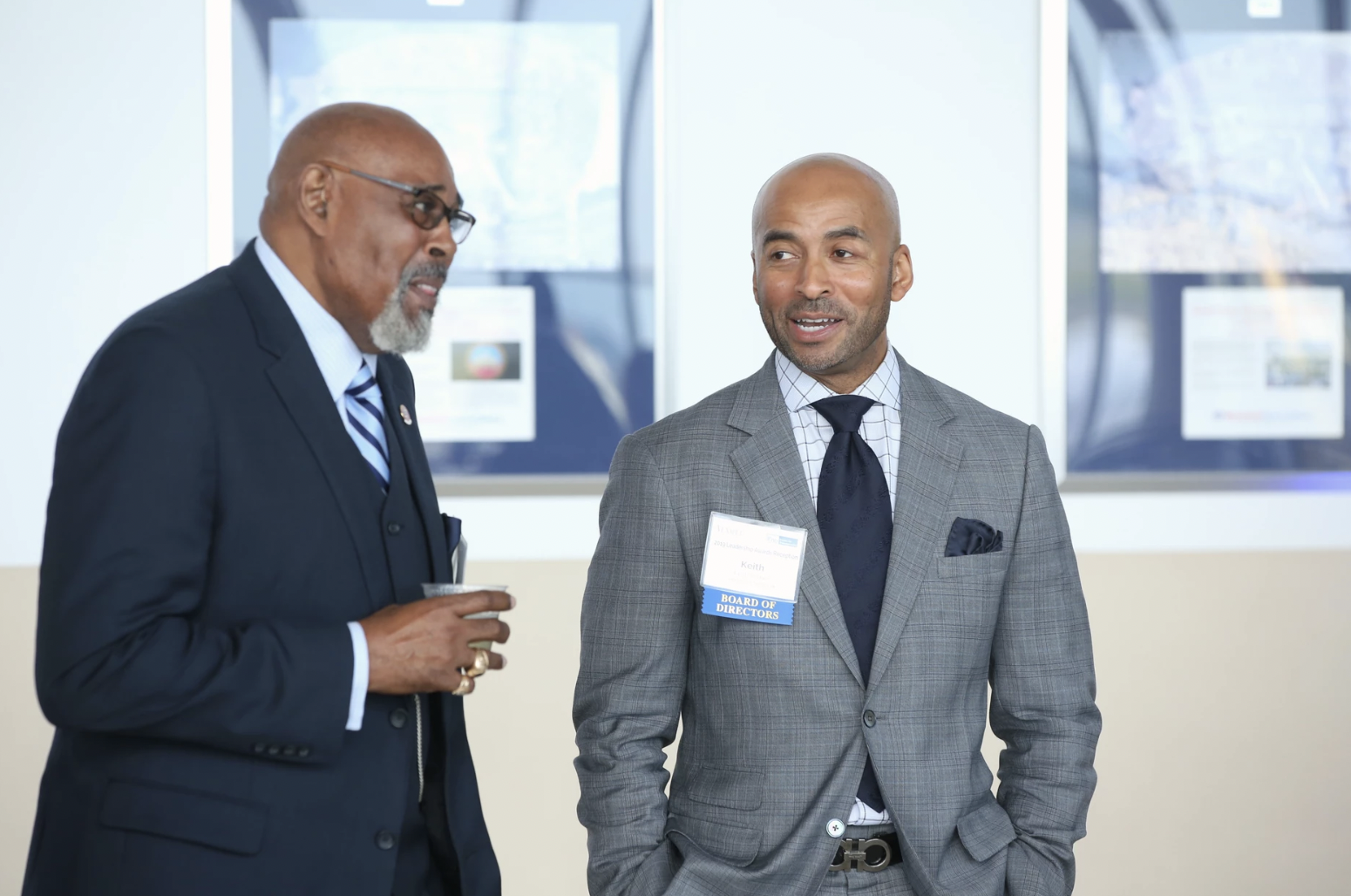
Talking Transportation
Eno Board Member Keith Parker and Robert Prince

Talking Transportation
Eno Board Member Carolyn Flowers speaks with one of the Eno Fellows at the reception.

Welcome
Robert Puentes, Eno CEO, welcomes the guests to the Leadership Awards Reception.
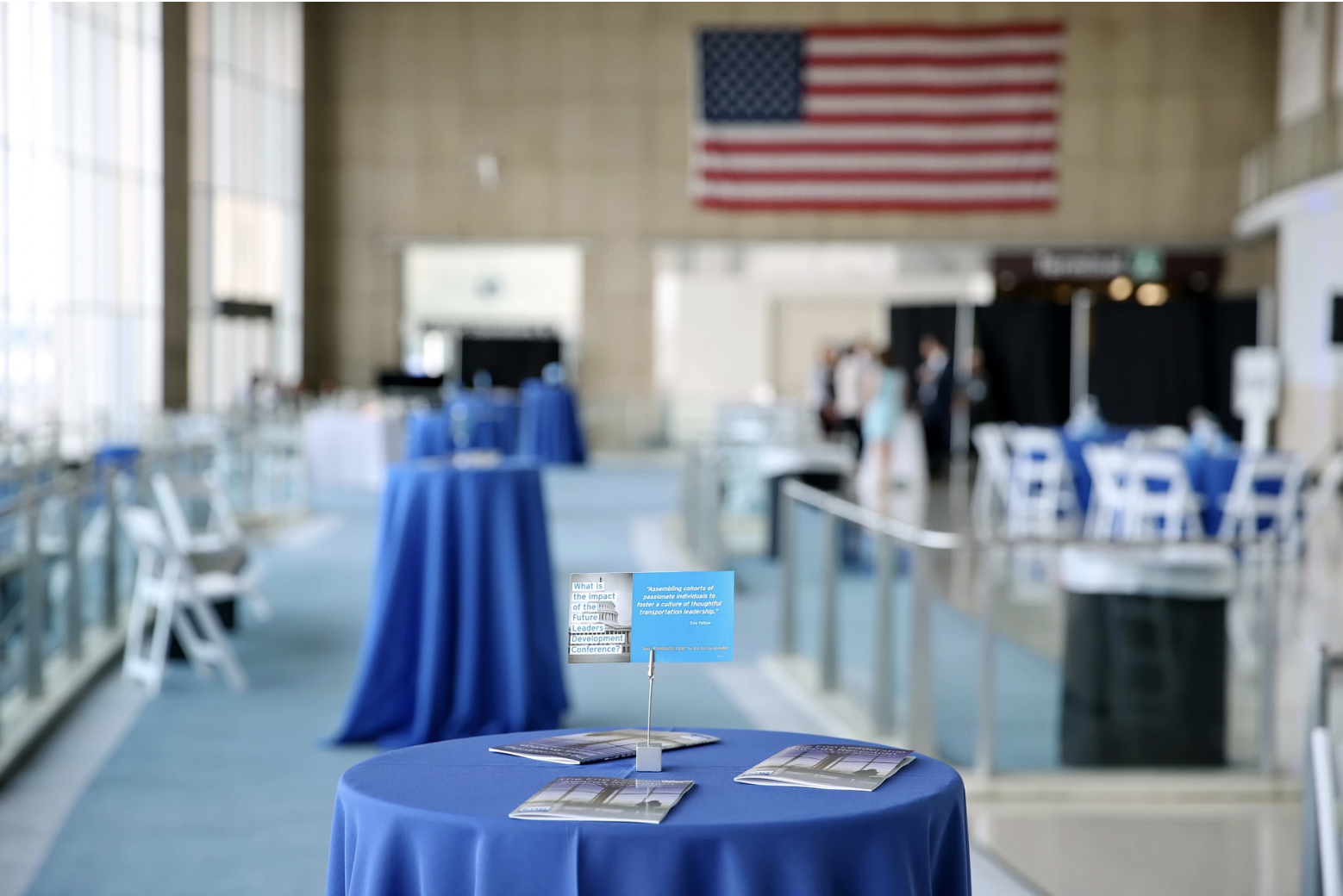
The Calm
The airport's Historic Lobby is ready for the event to start.
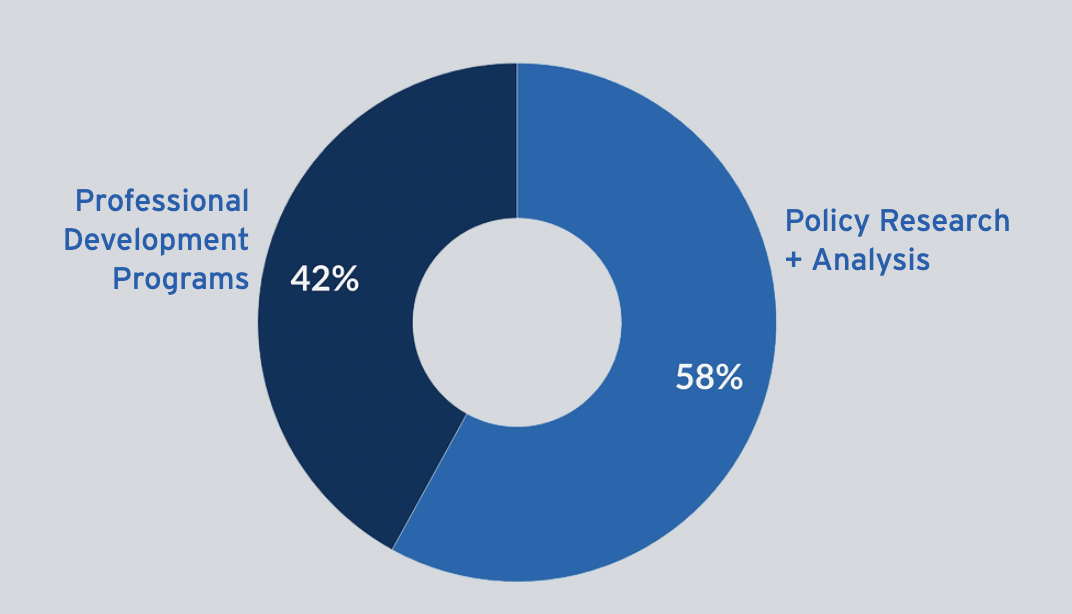
Thanks to the generosity of a diverse and growing number of partners and members across the transportation industry, Eno continues to deliver excellent research and analysis and top-notch professional development programs.
In all our endeavors, Eno focuses on our mission and is guided by our institutional values: integrity, independence, objectivity, quality, and relevance. We do not seek or accept financial support that would undermine those values or compromise our commitment to remain unbiased and independent.
Inside Eno: Funding Our Impact
Revenues

Expenses
Thank You to the Members and Donors Who Make Eno’s Work Possible
Titanium Members
$35,000 +
Platinum Members
$17,500 to $25,000
Gold Members
$10,000 to $15,000

Silver Members
$7,000 to $10,000
Bronze Members
$3,500 to $5,000
Executive Leaders
$1,800 to $2,500

What’s Next?
Eno will continue to provide an
independent and trusted voice on the most
critical topics in transportation today.

Aviation Research
Eno’s aviation work educates the public at large as well as policy makers, identifies the roadblocks to progress, innovation, and modernization; and proposes bold, pragmatic policy solutions to help tackle those challenge.
Learn More

Congestion Pricing
U.S. cities and metropolitan areas are actively exploring the idea of charging a fee for driving on the parts of the roadway network used the most as a way to reduce demand, curb emissions, and encourage non-single occupancy modes of transportation.
Learn More

Project Delivery
A recent subway extension in New York City cost around $2.5 billion per mile to build while another under central Paris cost only $250 million per mile. The disparity leads to tough questions: do rail transit projects systematically cost more in the United States and take longer to deliver than they do in other countries? If so, why and how do we improve?
Learn More

Expanded Online Learning
Learn More
Eno/MAX Expansion
Learn More